

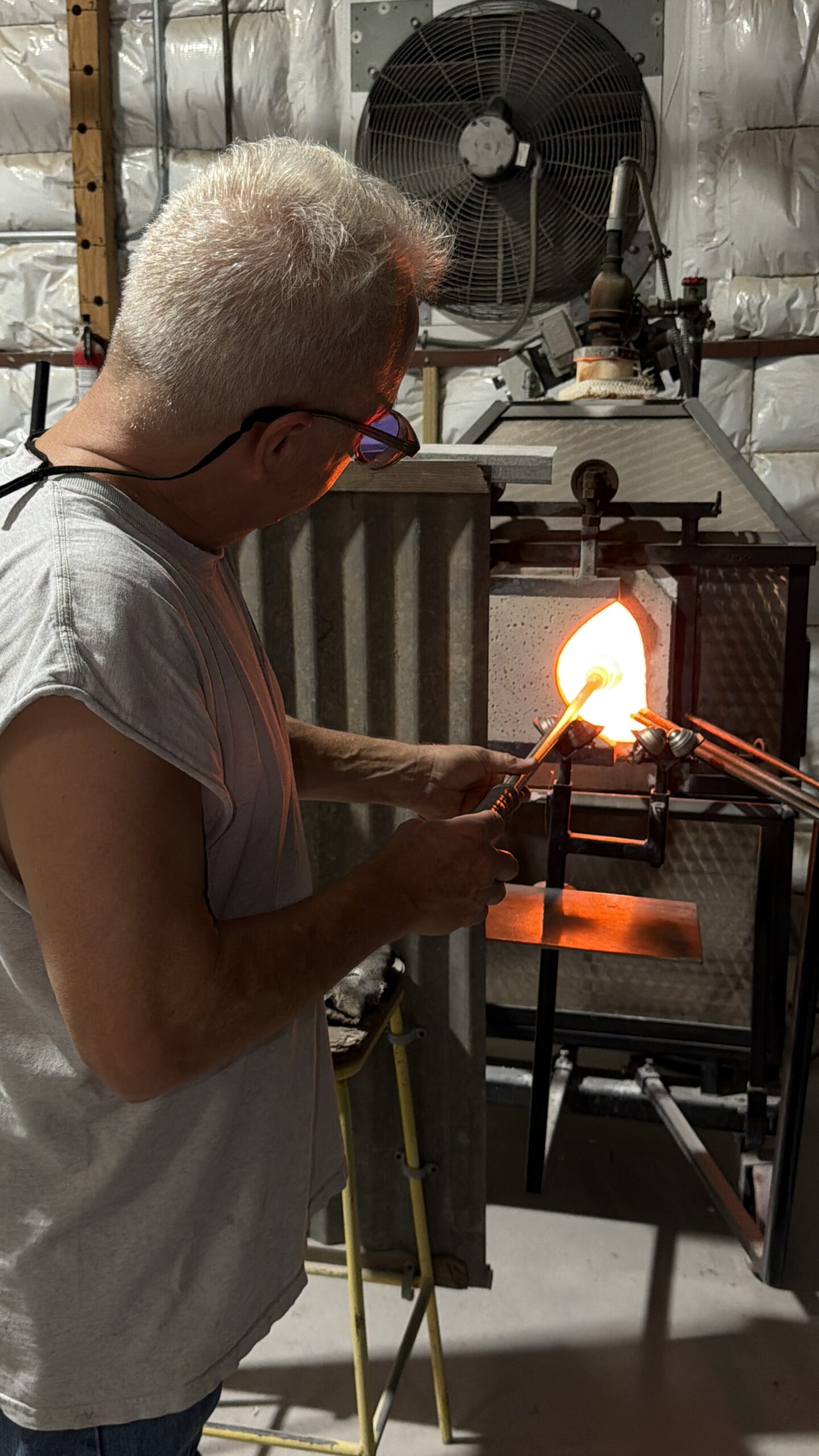
Glassblowing – LeRoy is Awesome
Tanya Islandopen_in_new Local Guide • 200 reviews • 287 photos starstarstarstarstar 3 days ago This was such a fun date night for hubby and I! Highly recommend this. Leroy is a patient, knowledgeable and safe teacher. He helped us make 2 cups and 2 paper weights. We were hands on the entire class. He also showed us the workshop and answered all my nerdy questions about glass, color, clay, and how things work. It was a great experience!!
The Bottom Line
https://www.instagram.com/p/Dbv4mdxH7j8 In Episode 23 of the Jeff Lung Show, Fire Gallery founder LeRoy Grubbs shares how that when one enters the world of ceramics, he or she is bound to get dirty. Do YOU like getting YOUR hands dirty? Have you even thrown on a wheel? Tell me in the comments! For more fascinating conversations with super talented people, check out the Jeff Lung Show! Full episodes are on the Jeff Lung Art YouTube channel (link in bio). @firegallerysx @firegallerysy #creativeconversations #arttalkshow #JeffLungShow #JeffLungArt #artistspotlight
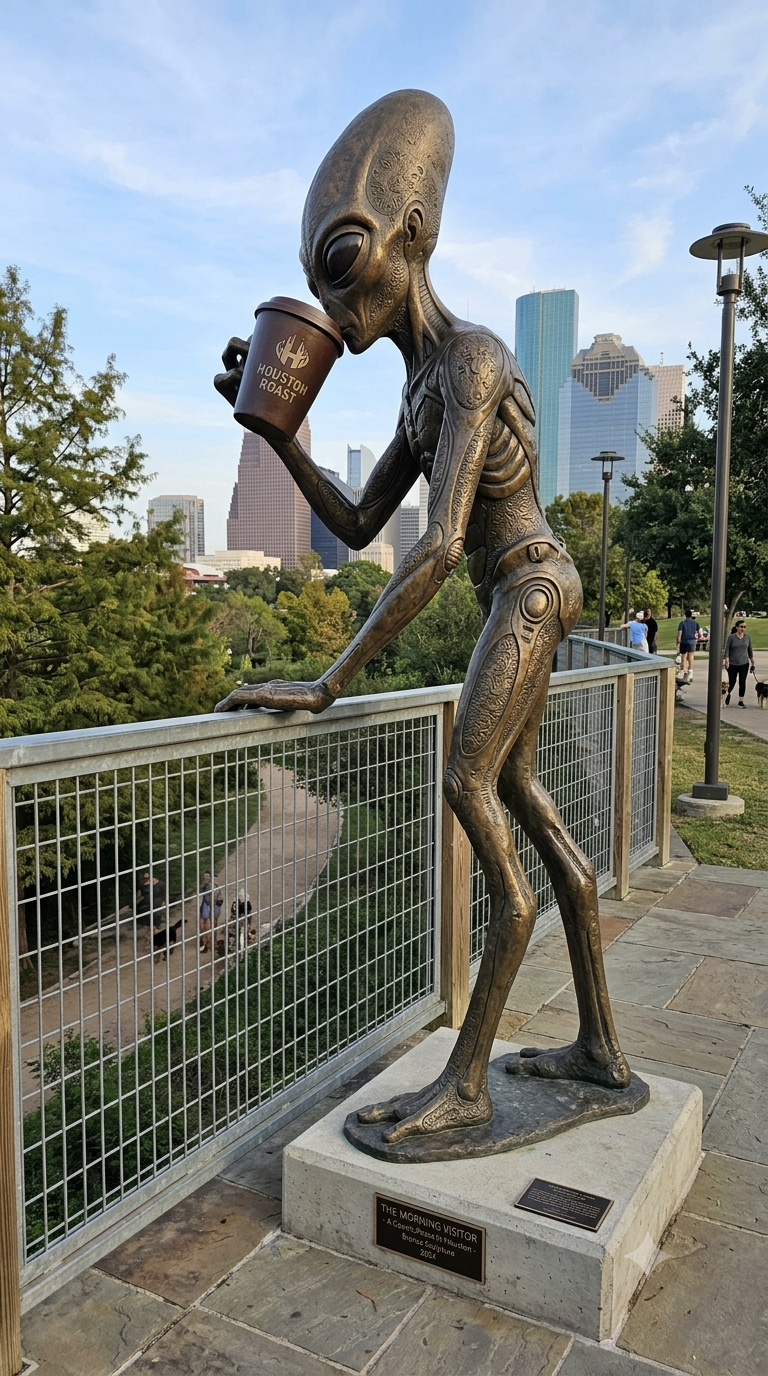
Alien Coffee
This is a submission for the “True North: A Heights Boulevard Sculpture Project titled “Alien Coffee”, Here’s something fun. This is a 9’ Alien standing at a fence with a cup of coffee. Initial construction will be with wood, foam and cement. Mounted on cement plinth. Please confirm submission is complete for the annual: True North: A Heights Boulevard Sculpture Project Subject: Sculpture Dimensions & Specifications – 9-Foot Alien with Coffee Here is the detailed dimensional and structural breakdown for the proposed 9-foot outdoor alien sculpture scaled to interact naturally with a standard fence or perimeter railing. ================================================================================ 1. OVERALL PROPORTIONS & SCALE ================================================================================ • Total Sculpture Height: 9 ft 0 in (108 in / 274 cm) – From bottom of base plate/plinth to crown of head • Base / Plinth Height: 1 ft 6 in (18 in / 45 cm) – Reinforced concrete pad or metal riser • Fence / Railing Height: 4 ft 0 in (48 in / 122 cm) – Standard commercial perimeter railing height • Ground-to-Elbow Height: 4 ft 2 in (50 in / 127 cm) – Positioned so forearms rest comfortably on top rail • Base Footprint (W x D): 3 ft 6 in x 4 ft 0 in (107 cm x 122 cm) – Wide stance required to counterbalance forward lean ================================================================================ 2. FIGURE BREAKDOWN ================================================================================ • Elongated Head & Cranium: – Height: 22 in (~56 cm) – Depth: 18 in (~45 cm) front-to-back • Torso & Chest: – Shoulder-to-Shoulder Width: 28 in (~71 cm) – Chest Depth: 16 in (~40 cm) • Limbs & Reach: – Leg Length: 58 in (~147 cm) to maintain stylized extraterrestrial proportions – Arm Length: 44 in (~112 cm) total length, bent at ~75° angle at the elbow • Coffee Cup Prop: – Height: 12 in (~30 cm) oversized cup to stay proportional to 1.5x life-size scale ================================================================================ 3. STRUCTURAL & ENGINEERING CONSIDERATIONS ================================================================================ • Center of Mass: – Figure leans forward over the railing at approximately a 15-degree angle. – Internal steel armature anchors deeply into the concrete plinth to mitigate tipping and wind shear. • Internal Armature: – 2 in x 2 in structural steel square tubing running through legs, spine, and main torso. • Anchor Mounting: – Four 3/4-inch stainless steel epoxy anchors bolted into the foundation pad. • Estimated Finished Weight Wood, Foam, Cement – Approximately 300 to 5oo lbs Bronze Casting: – Approximately 850 lbs – 1,200 lbs.
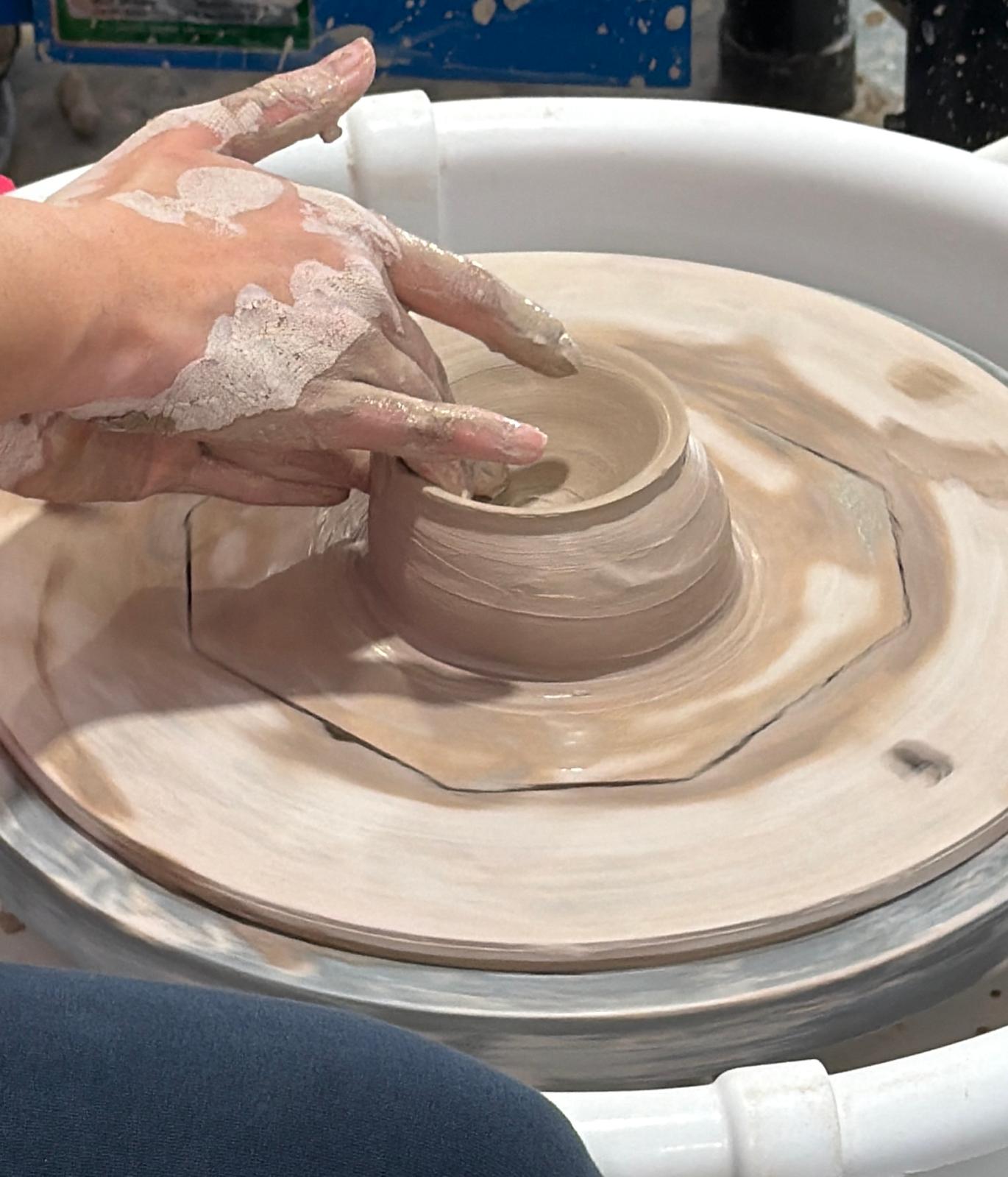
Pottery Class: Date Night
Pottery Class: Date NightWe had Abby as our teacher and she was super helpful! She explained everything well and offered help or advice whenever it was needed.Status: PublicReviewed on: Jul 30 2026Session: Thu, Jul 30 2026 at 1pmAt: 1520 Silver Street, Houston, TX Amarion JohnsonPottery Class: Date NightGREAT CLASS BOOK NOW IMMEDIATELY MANG WAS THE BEST INSTRUCTOR EVER. 15/10 date night highly recommend!!!Status: PublicReviewed on: Jul 31 2026Session: Fri, Jul 31 2026 at 7:30pmAt: 1520 Silver Street, Houston, TX
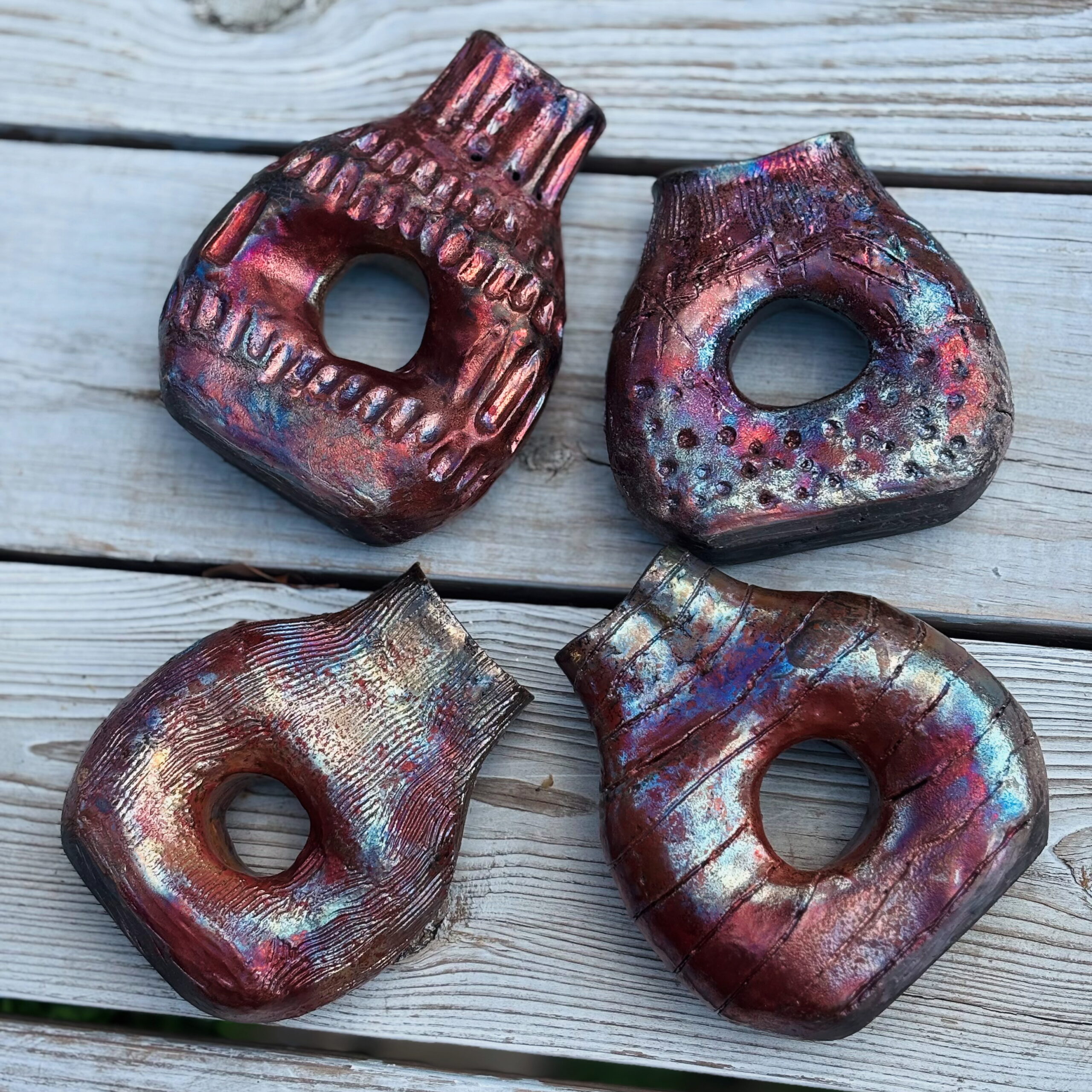
Raku Party
Sign up when ready. We will schedule the Raku usually in the morning or evening. Let me know when you are available. Chairs, coolers are welcome. The firing takes a couple of hours from setup to glazing to firing to clean up. The space is Air Conditioned. And safe for children/babies with proper parental care / attention. This is a pottery studio, there are sharp tools and stuff here that are not meant for children to play with. Pets are welcome, we have cats. We have lots of pottery pieces around that can be used all inclusive to the price. Where in the world are you? Are you visiting Houston? 🙂 LeRoy
5 Star Review Glass Pipe Class
Laura T. Glass Pipe Flameworking Class I had an amazing time! It was such a fun and unique experience. The place is very cozy and has a wonderful atmosphere. The instructor was hilarious, friendly, and, most importantly, very patient when explaining and demonstrating each step of the process, making everything easy to understand, even for beginners. I highly recommend this class to anyone looking for a creative and enjoyable experience. I would definitely come back!
Pottery Date Night
Niambre G Pottery Class: Date Night Amazing experience. We ended up with a private session and it was super helpful and hands on. Our instructor was super patient and sweet and enjoyed learning from her and watching her in her element. A great time for sure and would book a class again!
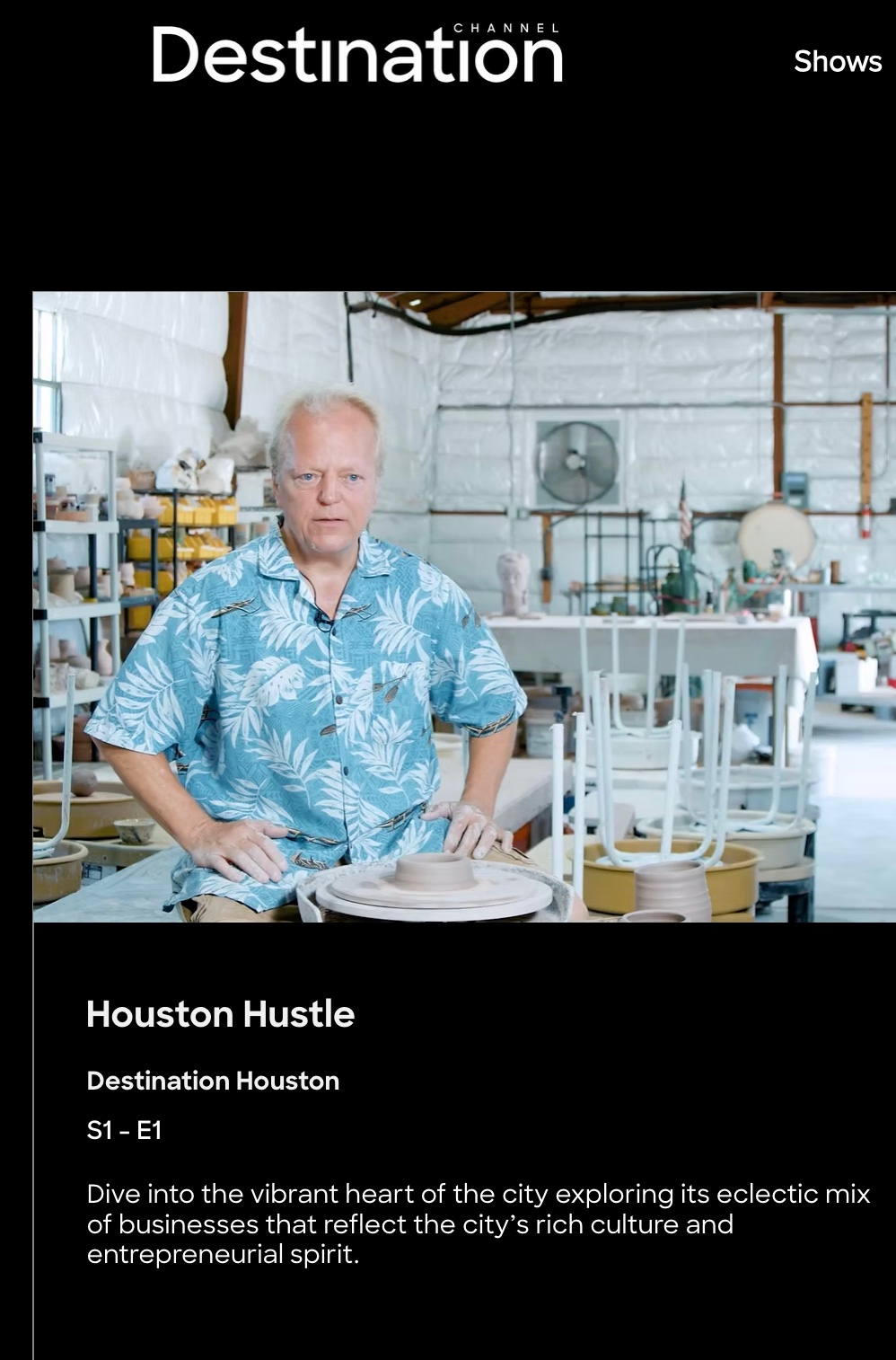
Destination TV Houston
Fire Gallery is featured on the first episode of Destination TV HOUSTON. Check it out here!! https://www.thedestinationchannel.com/streaming
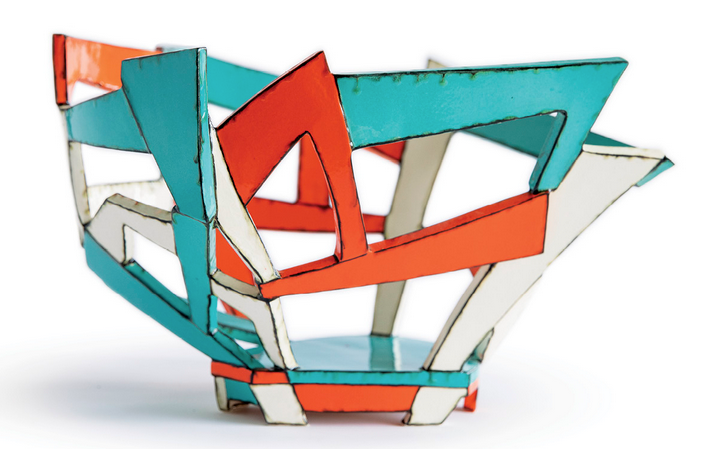
Nikki Blair’s Funky Functional Pots
https://ceramicartsnetwork.org/ceramics-monthly/ceramics-monthly-article/it-s-all-in-there-nikki-blair-s-funky-functional-pots I love this stuff. Great Idea!! Now lets do it! Featured by Ceramics Monthly. Sign up NOW! for the weekly projects. Filled with Inspiration and Playfullness! LeRoy