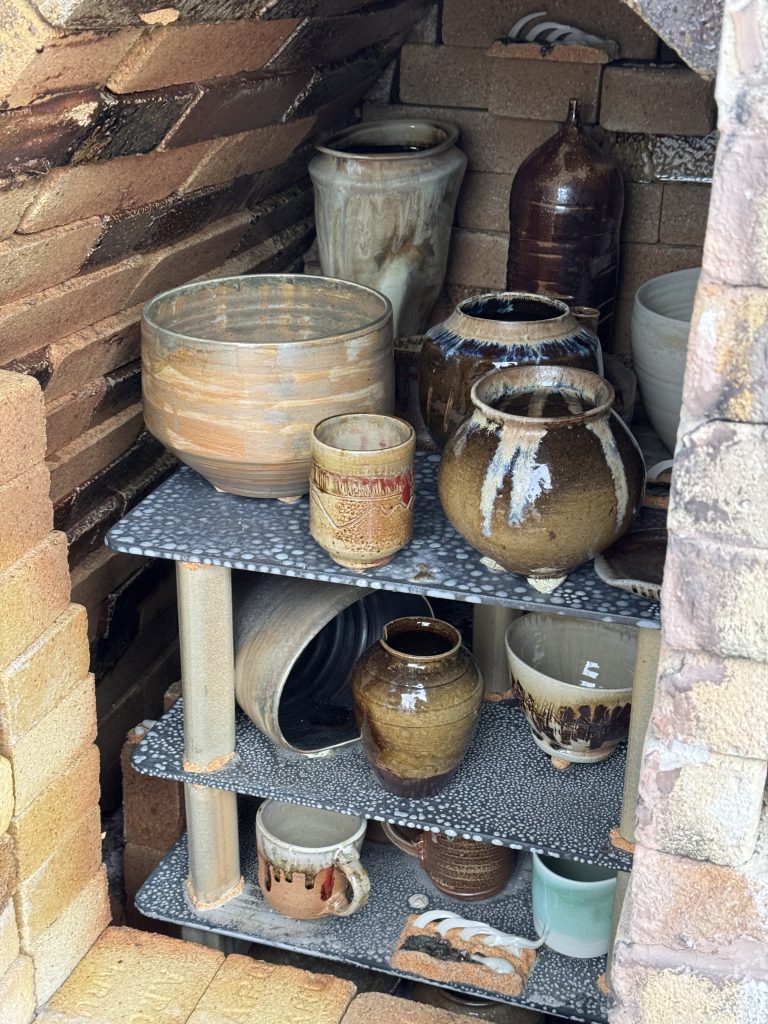
We bring the HEAT.
Are you a home potter, or have limited firing options? Visit us at FIRE gallery in the heights to have your green or bisqueware fired to perfection.
Electric Firings
Minimum drop off starts at $5, or $20 for a half shelf. Please call ahead to coordinate drop off and payment. (816) 489-2478
Low Fire
Cone 06, slow speed. Please ensure your ware is bone dry upon drop off.
Med Fire
Cone 6, medium speed. Please have a clean foot/bottom or bring your own stilts. Please indicate if you are using a running or stable glaze(s), cookie can be provided.
High Fire
Cone 10 , medium speed. Please indicate if you are using a running or stable glaze(s), cookie can be provided.
Cone 06, slow speed. Please ensure your ware is bone dry upon drop off.
Cone 6, medium speed. Please have a clean foot/bottom or bring your own stilts. Please indicate if you are using a running or stable glaze(s), cookie can be provided.
Cone 10 , medium speed. Please indicate if you are using a running or stable glaze(s), cookie can be provided.




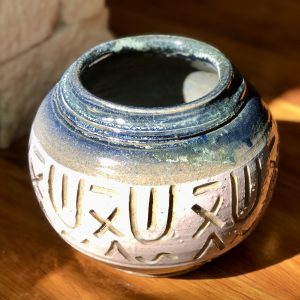
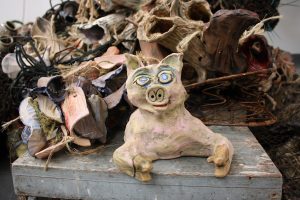
Raku Firings
Raku firings are $35 per piece, and only applicable to bisque ware. BYO combustibles/glazes for drop off. Please call ahead to coordinate drop off and payment. (816) 489-2478
Artinitivly attended a Raku workshop and lean the art for yourself!

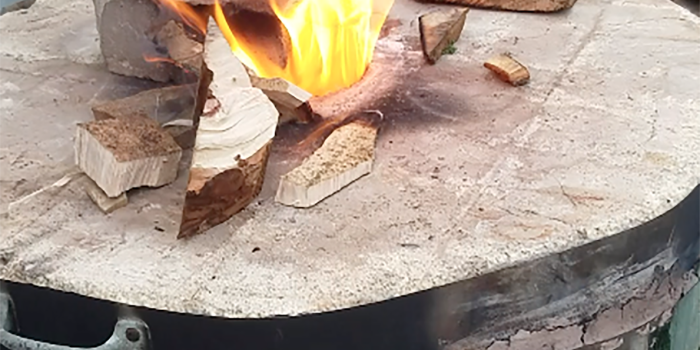
Soda Firings
How long does it take?
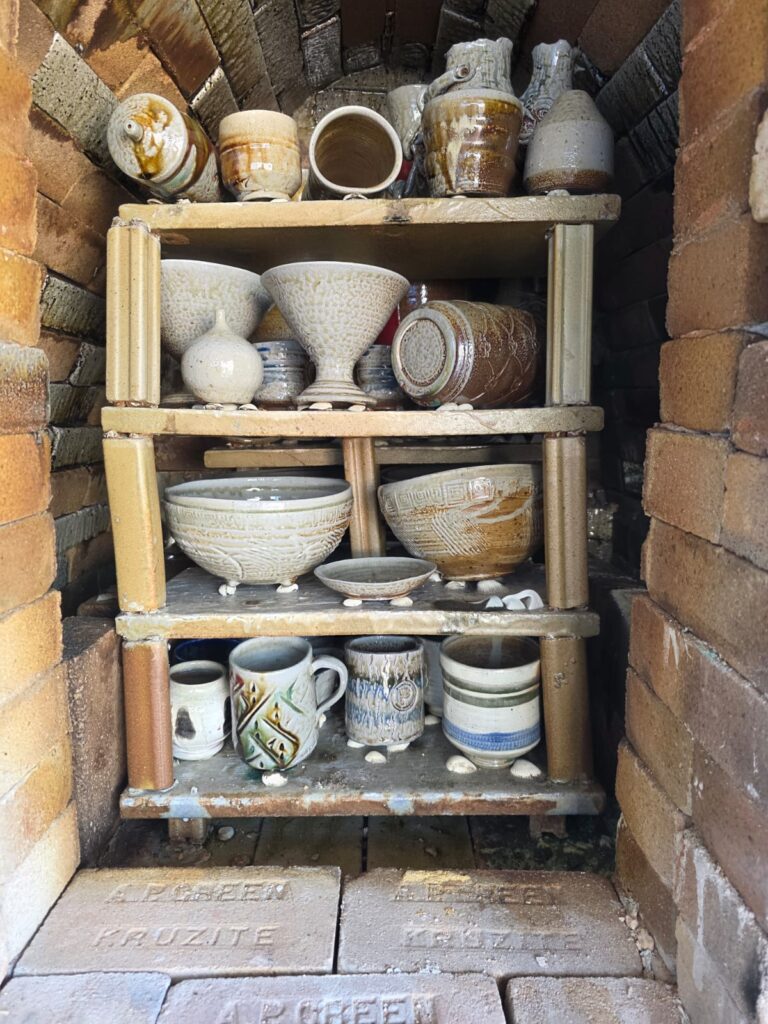
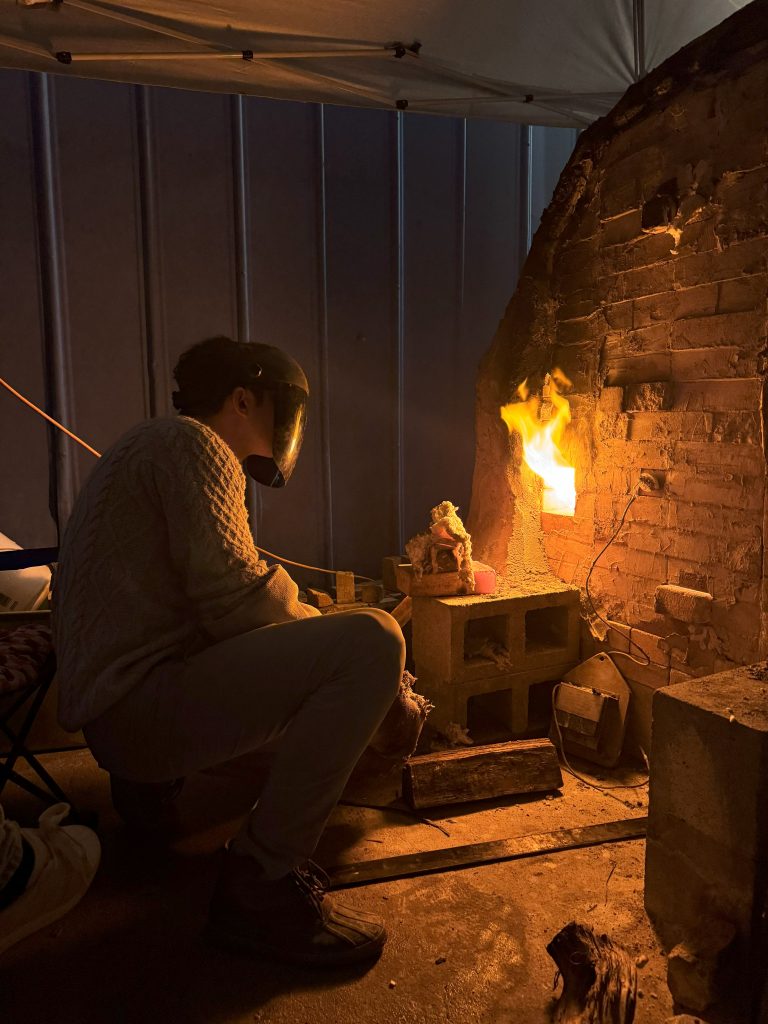
Usually loading day takes about 5-8 hours. Firing the kiln takes about 12-16 hours assuming no issues (can go to 20+ hours if there is significant stalling). Cooling takes about 48 hours so expect to unload on Monday if we fire Saturday (the usual routine).
Can I put greenware into the kiln?
Have your pieces bisqued and glazed prior to loading day. Why not green? Currently our burners are too strong to safely candle greenware without risk of explosions.
What kind of clay should I use?
High fire clay only. The kiln is regularly fired to between cone 9 and cone 13 due to hot and cold spots. Mid fire clay will melt and ruin shelves. If you are not sure what kind of clay that you have, it’s best not to risk it. High fire flashing porcelain and high alumina content stoneware does well in this kiln. Leroy’s reclaim looks great but can occasionally bloat depending on how hot it gets. Nara, balcones (light and regular), dillo white, and grande do well and are available at the ceramics store. Their cone 6 porcelain should also be ok but may warp in hotspots.
What kind of glazes and slips should I use?
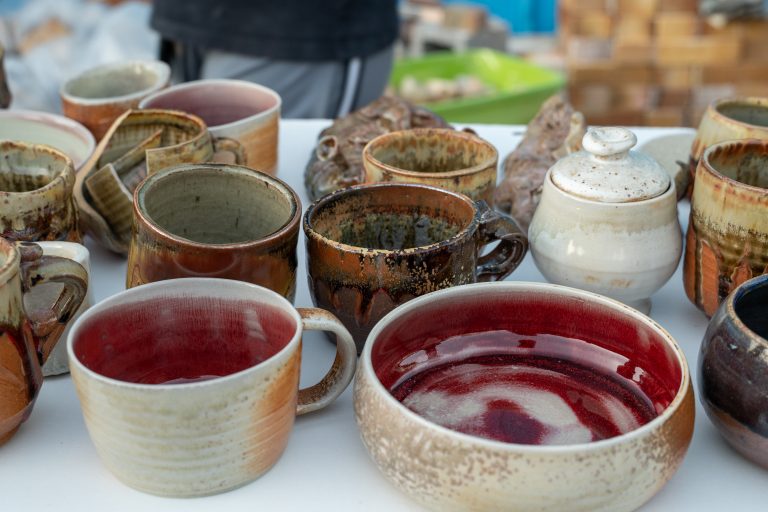
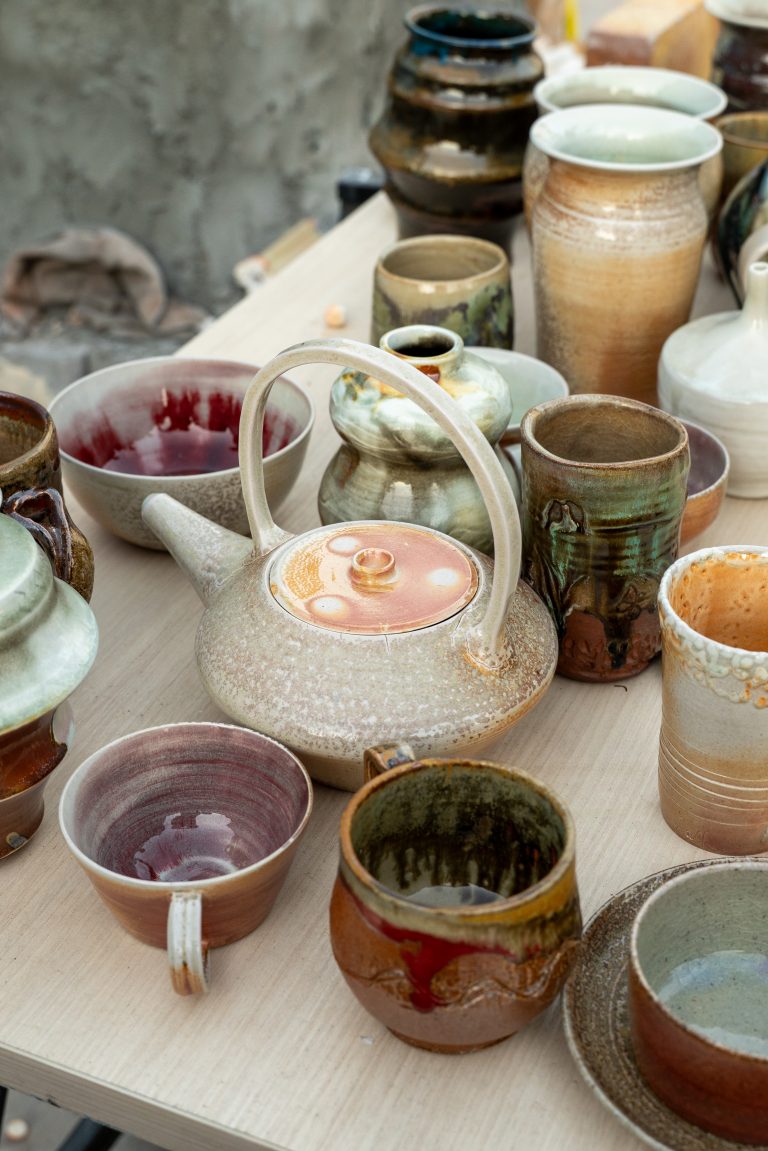
For liners I would stick to high fire celadons, temmokus, or shinos. As far as glazing the external surfaces, the rule of thumb is that you should glaze 1 for every 3-4 pots that you plan to fire. The reason being is the soda being sprayed into the kiln and the fly ash acts as a natural glaze; otherwise, your results are just as easily attained in a regular gas kiln. Some potters will do somewhat of an intermediate where you glaze part of the external surface so that the clay is not completely covered and can still interact with the soda atmosphere. This is all ultimately preference. If you do plan to use slips/glazes on the external surface, I recommend high alumina slips or high titanium glazes (strontium crystal magic for example) which capitalize on a wood/soda atmosphere.
What if my glaze is runny?
Please be sure to include a cookie with your piece if you know that your glaze runs. While a few drips is not a huge deal, lots of runny glaze on a shelf will cause it to deteriorate it over time. Shelves are not cheap (an individual shelf can be up to $600 to replace depending on the type) so please be mindful. If you have any concerns, please let someone know before putting your piece into the kiln.
Will all my work make it in?
Nothing is guaranteed. We do our best to fit as much work as possible. Some pieces are more difficult to accommodate than others. Cups and small bowls are more likely to make it in, especially things that are small in diameter. A large sculptural piece is unlikely to get in unless we have a firing dedicated for larger pieces.
How safe is my piece in this kiln?
Not safe. If you’ve spent 10 hours perfecting the coolest coffee mug and want to ensure that it isn’t cracked or otherwise destroyed in this kiln, reconsider soda firing it in this kiln. Wood/soda is inherently unpredictable and our soda kiln is “homemade”, so it’s important to set expectations. That’s not to say that it won’t produce functional pieces, I just wouldn’t depend on it.
Usually loading day takes about 5-8 hours. Firing the kiln takes about 12-16 hours assuming no issues (can go to 20+ hours if there is significant stalling). Cooling takes about 48 hours so expect to unload on Monday if we fire Saturday (the usual routine).
Have your pieces bisqued and glazed prior to loading day. Why not green? Currently our burners are too strong to safely candle greenware without risk of explosions.
High fire clay only. The kiln is regularly fired to between cone 9 and cone 13 due to hot and cold spots. Mid fire clay will melt and ruin shelves. If you are not sure what kind of clay that you have, it’s best not to risk it. High fire flashing porcelain and high alumina content stoneware does well in this kiln. Leroy’s reclaim looks great but can occasionally bloat depending on how hot it gets. Nara, balcones (light and regular), dillo white, and grande do well and are available at the ceramics store. Their cone 6 porcelain should also be ok but may warp in hotspots.
For liners I would stick to high fire celadons, temmokus, or shinos. As far as glazing the external surfaces, the rule of thumb is that you should glaze 1 for every 3-4 pots that you plan to fire. The reason being is the soda being sprayed into the kiln and the fly ash acts as a natural glaze; otherwise, your results are just as easily attained in a regular gas kiln. Some potters will do somewhat of an intermediate where you glaze part of the external surface so that the clay is not completely covered and can still interact with the soda atmosphere. This is all ultimately preference. If you do plan to use slips/glazes on the external surface, I recommend high alumina slips or high titanium glazes (strontium crystal magic for example) which capitalize on a wood/soda atmosphere.
Please be sure to include a cookie with your piece if you know that your glaze runs. While a few drips is not a huge deal, lots of runny glaze on a shelf will cause it to deteriorate it over time. Shelves are not cheap (an individual shelf can be up to $600 to replace depending on the type) so please be mindful. If you have any concerns, please let someone know before putting your piece into the kiln.
Nothing is guaranteed. We do our best to fit as much work as possible. Some pieces are more difficult to accommodate than others. Cups and small bowls are more likely to make it in, especially things that are small in diameter. A large sculptural piece is unlikely to get in unless we have a firing dedicated for larger pieces.
Not safe. If you’ve spent 10 hours perfecting the coolest coffee mug and want to ensure that it isn’t cracked or otherwise destroyed in this kiln, reconsider soda firing it in this kiln. Wood/soda is inherently unpredictable and our soda kiln is “homemade”, so it’s important to set expectations. That’s not to say that it won’t produce functional pieces, I just wouldn’t depend on it.
You have found the only soda kiln in all of Houston! We usually try to fire once a month to give everyone enough time to create work. Loading usually falls on a Thursday or Friday and firing the following day. This is subject to change depending on the weather forecast.
Please call ahead to coordinate drop off and payment. (816) 489-2478