Tea Pot Worshop
Learn how to make a tea pot on a potter’s wheel.
Introduction to Tea Pots
Join Sabine Triplett at
Fire Gallery
For a two-day workshop learning how to make a tea pot on the pottery wheel
Learn how to make a tea pot on a potter’s wheel.
Introduction to Tea Pots
Join Sabine Triplett at
Fire Gallery
For a two-day workshop learning how to make a tea pot on the pottery wheel
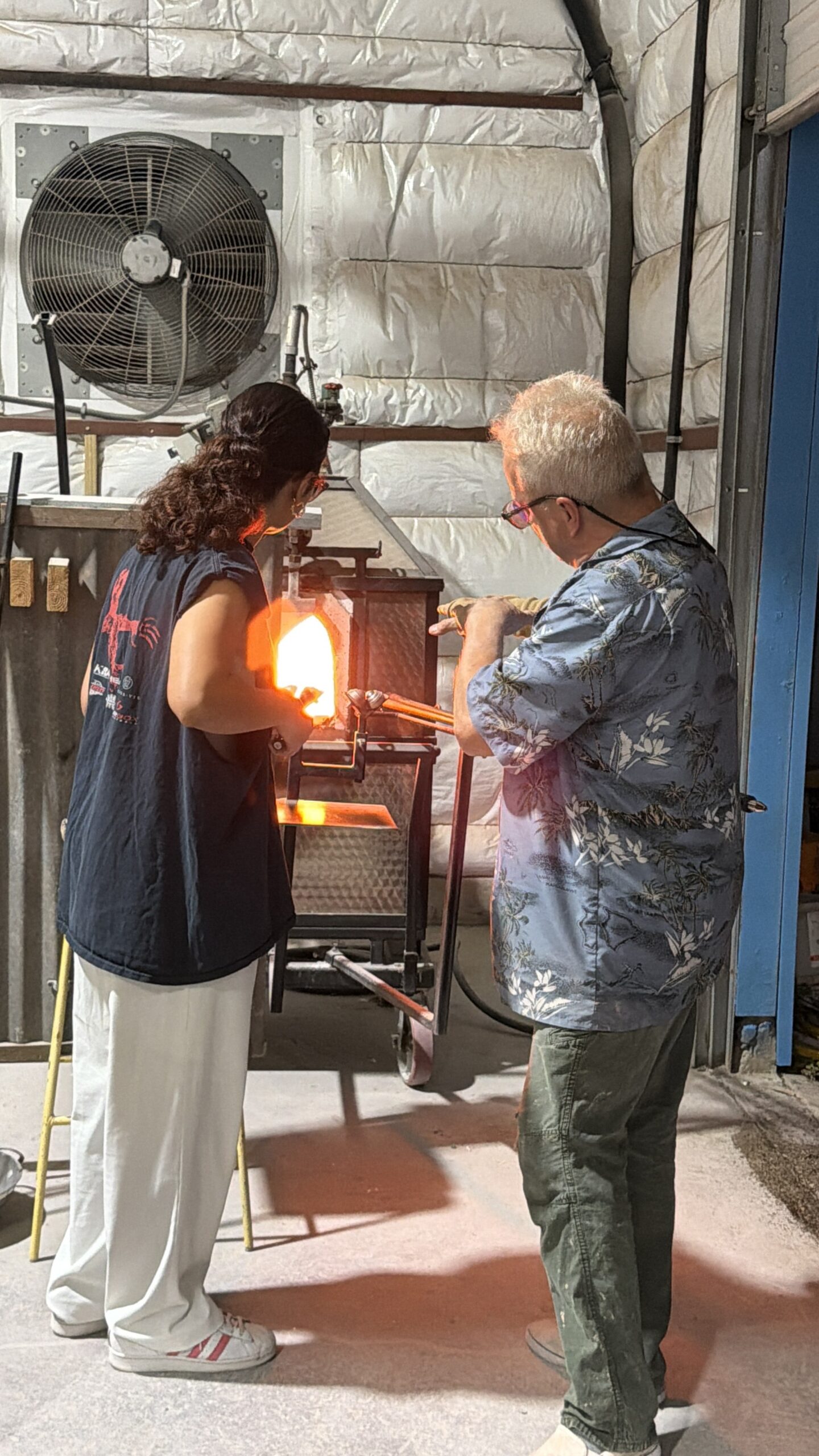
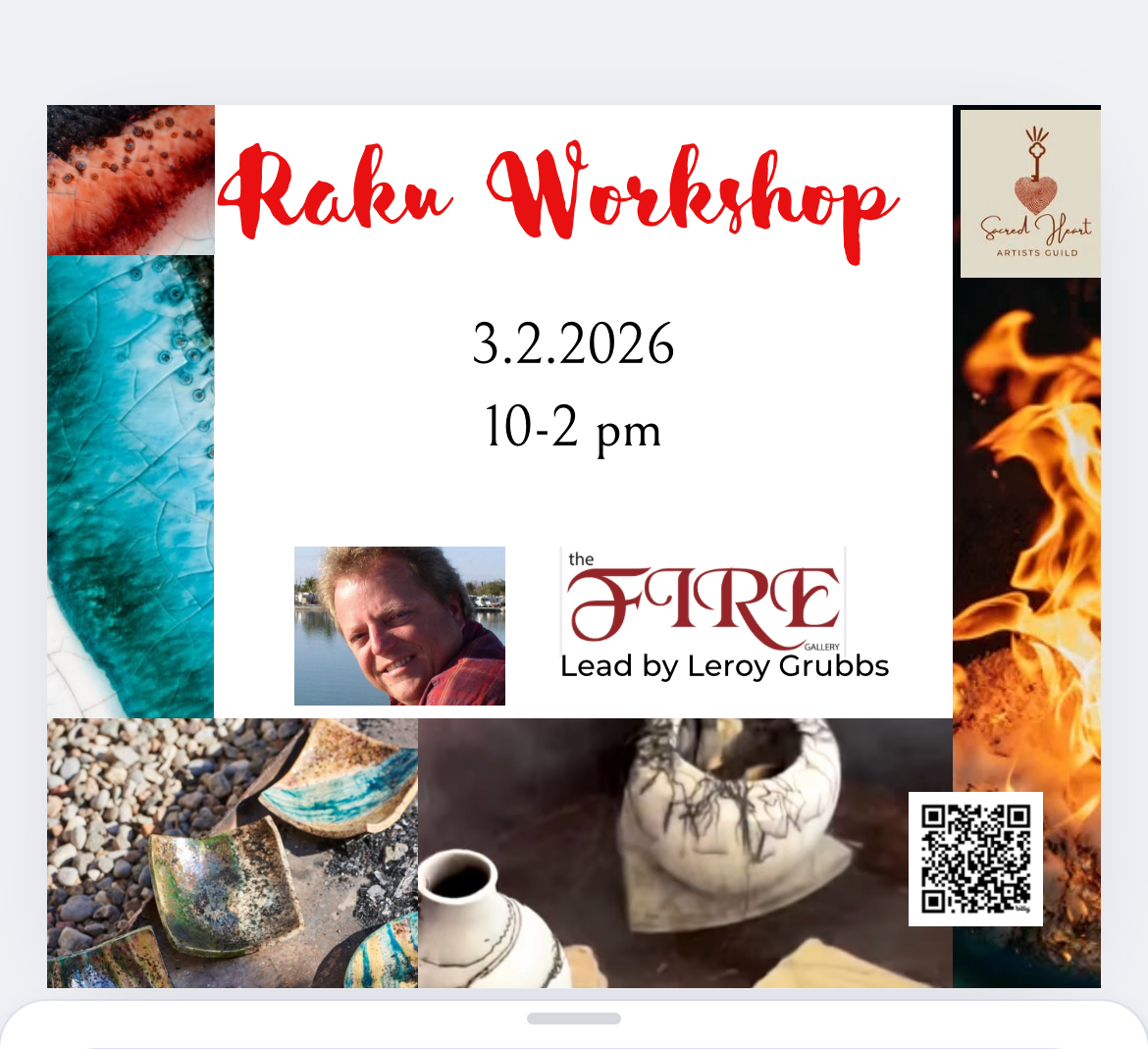
Raku firing, a technique developed in 16th-century Japan, is renowned for its dramatic and unpredictable results. The process involves removing pottery from the kiln while at bright red heat and placing it into materials that ignite, creating intense reductions that lead to stunning, often iridescent finishes. Each piece emerges as a unique work of art, marked by the thrilling unpredictability of the raku process The Historical Roots of Raku The Raku technique has its origins in Japan, developed during the Momoyama period (1568-1600). It was initially associated with the Japanese tea ceremony, emphasizing simplicity and naturalness. The term “Raku” translates to “enjoyment,” “comfort,” or “ease” and is derived from the personal seal of Chōjirō, the first Raku potter, who was commissioned by Sen no Rikyū, a historical figure in the Japanese tea ceremony. Over centuries, Raku has evolved but retains its essence of embracing the beauty found in natural imperfections. Understanding the Raku Firing Process The Raku firing process is what truly sets this technique apart. Unlike traditional pottery firing that allows pieces to slowly cool inside the kiln, pieces are removed while hot. Here’s a closer look at the firing process: The Artistic Appeal of Raku What makes Raku firing so appealing is the element of unpredictability and the distinctive results it produces. The rapid heating and cooling, combined with the reduction process, create unique effects on the glaze. The lack of oxygen causes the metals in the glaze to react, leading to vibrant colors and patterns. The crackle finishes, metallic lusters, and areas of unglazed clay that take on a smoked appearance are hallmarks of Raku pottery. Why Each Raku Piece is Unique No two Raku pieces are ever the same. The combination of the glaze, the specific conditions of the firing, and the reduction process means that each piece of Raku pottery is a one-of-a-kind work of art. This uniqueness is a large part of Raku’s charm and appeal. Collectors and enthusiasts treasure Raku ceramics for their beauty and the singular moment of creation they represent. Raku firing, with its roots deeply embedded in Japanese tradition, continues to fascinate and inspire potters worldwide. Its unpredictable nature is a reminder of the beauty in imperfection and the transformative power of fire. Whether you’re a seasoned ceramicist or an admirer of pottery, the dance of Raku firing is a captivating spectacle that bridges history, art, and the elemental forces of nature. Safety Reminder: While exploring the beautiful and unpredictable world of Raku firing, it’s crucial to prioritize safety. Raku firing involves working with high temperatures, combustible materials, and rapid temperature changes that can be hazardous if proper precautions are not taken. Here are some essential safety tips to keep in mind: Stay tuned for our upcoming events and workshops where you can learn more about various pottery techniques and styles. Don’t forget To sign-up for next month’s Raku Firing! Until then, keep creating and stay inspired! -Trey Morgan For further reading and resources on Raku, visit Ceramic Arts Network
Download document here to complete form
The News is information and news that fits here because it is News Worthy. For instance I really like this information. Click here for more information: https://files.constantcontact.com/cc011898001/ff5fe102-7aa2-4224-b0c1-291533803538.pdf?rdr=true
Welcome to our newest exploration at the Fire Gallery! In this blog post, we delve into the captivating process of making and applying crystalline glazes. These special glazes are renowned for creating intricate, gem-like surfaces that transform ordinary ceramics into stunning pieces of art. Stay tuned as we guide you through the mesmerizing journey of crystalline glaze making! The Allure of Crystalline Glazes Crystalline glazes are known for their captivating, gem-like surfaces. These glazes create intricate patterns that resemble natural crystals, adding an element of unpredictability and uniqueness to each piece. The beauty of these glazes lies in their ability to turn a simple ceramic object into a mesmerizing masterpiece, with patterns and colors that capture the light and the eye. Technical Insight: Mastering Crystalline Glazes For those of you interested in the more technical aspects of crystalline glazes, this section dives into the nitty-gritty details that make these glazes so unique and challenging. 1. Composition of Crystalline Glazes: The basic composition of crystalline glazes includes silica, a flux like a frit or feldspar, and a crystallizing agent, typically zinc oxide. The ratio of these components is crucial. Too much zinc oxide can lead to overly dominant crystals, while too little may result in a lack of crystal formation. 2. Firing Cycle: The firing cycle for crystalline glazes is critical and significantly different from standard glaze firings. It involves a rapid initial firing to the maturation temperature (usually between cone 9 and 11)*, followed by a controlled cooling process. This cooling phase is where crystals grow, and it’s often a slow, step-down cooling that can take several hours. 3. Kiln Atmosphere: An oxidizing atmosphere is generally preferred for crystalline glazes. This atmosphere promotes the growth of crystals and the purity of colors, especially when colorants are used. 4. Glaze Thickness: The application of the glaze is another key factor. Crystalline glazes are usually applied thicker than standard glazes. This thickness provides a sufficient amount of material for the crystals to grow in during the cooling phase. 5. Use of Catch Plates: Due to the fluid nature of crystalline glazes at high temperatures, a catch plate is often used under the piece to catch any glaze that runs off. This not only protects the kiln shelves but also allows for a generous application of glaze without worry. 6. Colorants and Additives: Experimenting with different colorants (like copper, cobalt, or iron) can yield a wide range of colors and effects. Additives like alumina can affect the size and shape of the crystals, allowing for further experimentation and customization. Safety Reminder: Always wear appropriate safety gear, including gloves and a respirator, when mixing glazes, and ensure proper ventilation in your workspace. Understanding these technical aspects can greatly enhance your ability to work with crystalline glazes and achieve the desired results. As always, experimentation and practice are key to mastering this beautiful and complex glazing technique. In the Fire Gallery, we’ve seen how crystalline glazes can transform the ordinary into the extraordinary. We encourage you to explore this beautiful technique and see where it takes you. Stay tuned for our upcoming events and workshops where you can learn more about working with crystalline glazes. You can also sign-up for a Glaze Making class with LeRoy. Until then, keep creating and stay inspired! -Trey Morgan For further reading and resources on crystalline glazes, including detailed recipes and firing schedules, visit Ceramic Arts Network. This comprehensive resource offers a wealth of information for potters at all skill levels.
Luster firing is a technique used to apply a special type of glaze, known as luster. Luster glazes are unique in that they contain metallic compounds, such as silver, gold, or platinum, which give the pottery a captivating, reflective quality.
Come on down and join us Feb. 11th 2nd Saturday Sawyer Crossroads.
Really nice firing with beautiful blues and Oribe glaze.
Here’s some nice photos from the latest firings